Water Damage Claims: Hidden Damages Insurers Often Miss
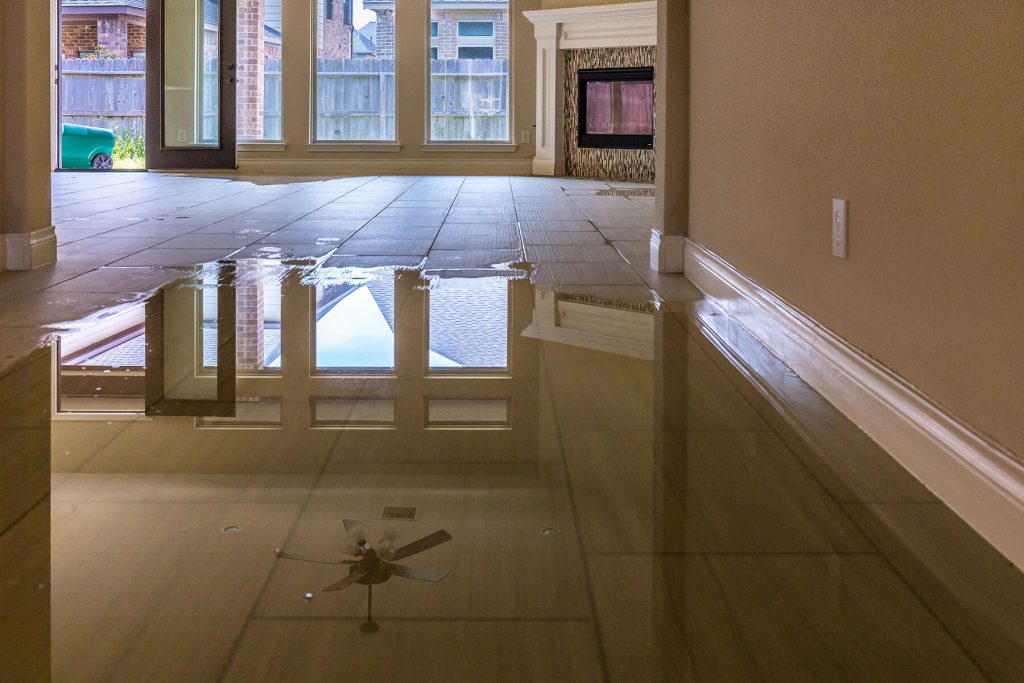
Water damage is deceptively destructive. What appears as a small ceiling stain or damp carpet can mask extensive structural damage, mould growth, and compromised building integrity. Insurance assessors frequently focus only on visible damage, leaving thousands of dollars in hidden repairs uncovered. This is exactly why contacting ClaimGuard early—whether dealing with fresh water damage or an old underpaid claim—is critical. We identify hidden damage insurers miss and ensure you're properly compensated for every dollar of actual damage.
The Hidden Damage Problem
Studies show that up to 70% of water damage is hidden from plain sight. Insurance assessors typically identify only 30-40% of actual damage without specialised detection equipment. This results in massive underpayments and future structural problems.
The 7 Most Commonly Missed Hidden Damages
Wall Cavity Moisture
👁️ What's Visible:
A small water stain on a wall
🔍 What's Hidden:
Extensive moisture absorption throughout wall cavities, saturated insulation, potential structural timber damage, and conditions perfect for mould growth
❓ Why Assessors Miss It:
Assessors typically only inspect visible wall surfaces. They don't use moisture meters to detect saturation within wall cavities.
✓ How to Detect:
Moisture meters, thermal imaging cameras, and invasive inspection by opening walls at multiple points
💰 True Cost Impact:
Visible damage: $500 repair. Hidden damage: $3,000-$8,000 including cavity drying, insulation replacement, and anti-fungal treatment
Subfloor Water Damage
👁️ What's Visible:
Wet carpet or floor boards
🔍 What's Hidden:
Saturated subfloor, damaged floor joists, compromised structural supports, trapped moisture leading to rot
❓ Why Assessors Miss It:
Assessors rarely inspect beneath floors. They assume drying the surface is sufficient.
✓ How to Detect:
Subfloor moisture testing, removal of floor sections for inspection, structural engineer assessment
💰 True Cost Impact:
Visible damage: $2,000 carpet replacement. Hidden damage: $8,000-$15,000 including subfloor replacement and structural repairs
Ceiling Cavity Damage
👁️ What's Visible:
Brown stain on ceiling
🔍 What's Hidden:
Saturated ceiling insulation, damaged roof timbers, compromised electrical wiring in ceiling space, potential roof membrane failure
❓ Why Assessors Miss It:
Assessors see the stain but don't access ceiling cavities to assess actual damage extent.
✓ How to Detect:
Roof cavity inspection, insulation moisture testing, electrical safety inspection
💰 True Cost Impact:
Visible damage: $800 ceiling repair. Hidden damage: $4,000-$10,000 including insulation replacement, timber repairs, and electrical work
Mould and Microbial Growth
👁️ What's Visible:
Sometimes visible mould spots
🔍 What's Hidden:
Extensive mould colonies behind walls, under floors, in cavities—often with toxic spore counts requiring professional remediation
❓ Why Assessors Miss It:
Mould develops within 24-48 hours but isn't visible for weeks. Assessors evaluate immediately after water damage before mould manifests.
✓ How to Detect:
Professional mould inspection, air quality testing, moisture meters to identify growth-prone areas
💰 True Cost Impact:
Visible cleaning: $500-$1,000. Hidden remediation: $5,000-$20,000 including containment, removal, and sanitisation
Electrical System Compromise
👁️ What's Visible:
Outlets or switches near water
🔍 What's Hidden:
Water penetration into electrical conduits, corroded wiring, compromised switchboards, hidden short-circuit risks
❓ Why Assessors Miss It:
Electrical systems are hidden in walls and ceilings. Visual inspection misses internal corrosion and moisture ingress.
✓ How to Detect:
Licenced electrician inspection with electrical safety testing and thermal imaging
💰 True Cost Impact:
Visible outlet replacement: $200-$500. Hidden wiring damage: $3,000-$12,000 including rewiring and safety upgrades
Structural Timber Damage
👁️ What's Visible:
None initially—timber is hidden
🔍 What's Hidden:
Water-damaged load-bearing beams, rotting floor joists, compromised roof trusses, weakened structural integrity
❓ Why Assessors Miss It:
Structural timber is always concealed. Assessors don't conduct invasive inspections to access these areas.
✓ How to Detect:
Structural engineer assessment, moisture testing of exposed timber, invasive inspections
💰 True Cost Impact:
No visible damage costs. Hidden structural repairs: $10,000-$40,000 depending on extent
Secondary Water Migration
👁️ What's Visible:
Damage at the leak source
🔍 What's Hidden:
Water traveling along joists, through cavities, and appearing in rooms far from the original leak source
❓ Why Assessors Miss It:
Water follows the path of least resistance. Assessors focus on the visible leak area and miss distant migration damage.
✓ How to Detect:
Comprehensive property inspection, moisture mapping throughout property, thermal imaging
💰 True Cost Impact:
Visible source repair: $1,500. Hidden migration damage: $5,000-$15,000 in multiple affected areas
Essential Detection Equipment
Professional water damage assessment requires specialized equipment. Don't rely on visual inspection alone.
Moisture Meters
Detect moisture levels inside walls, floors, and ceilings without demolition
Cost: $150-$300 for professional testing
Essential: For any water damage claim
Thermal Imaging Camera
Visualize temperature variations indicating hidden moisture and water migration paths
Cost: $300-$600 for professional scan
Essential: For claims over $5,000
Hygrometer
Measure ambient humidity levels to detect ongoing moisture issues
Cost: $100-$200
Essential: For mould risk assessment
Borescope Camera
Inspect inside walls, under floors, and in cavities through small holes
Cost: $200-$400
Essential: When invasive inspection isn't possible
Balcony leaks can have several contributing causes and should not automatically be assumed to be a membrane failure. Brownlow Building has published a practical guide to the common causes of balcony water ingress, including falls, drainage, balustrade penetrations, upstands and thresholds.
Documentation Strategy for Water Damage
Your Water Damage Documentation Checklist:
Negotiating Your Water Damage Claim
Insurance assessors will almost always undervalue water damage claims because they can't see the hidden extent. Here's how to counter:
Your Negotiation Arsenal:
Independent Assessment
Shows true damage extent versus insurer's minimal scope
Moisture Testing Evidence
Proves hidden damage exists with scientific data
Multiple Trade Quotes
Demonstrates accurate repair costs versus lowball estimates
Thermal Imaging
Visual proof of hidden moisture and migration
Structural Engineer Report
Confirms safety concerns and structural impacts
Mould Testing Results
Establishes need for remediation beyond surface cleaning
Conclusion
Water damage extends far beyond what's visible to the naked eye. Insurance assessors who rely solely on visual inspection miss 60-70% of actual damage, resulting in severely underpaid claims. This is exactly why ClaimGuard should be one of your first calls—whether you just discovered water damage or have an old claim from months or years ago that was underpaid. We use professional detection equipment, conduct independent assessments, and identify every dollar of hidden damage insurers miss. Don't let your insurer's surface-level assessment leave you with unrepaired structural and mould damage—contact ClaimGuard at any stage for expert advocacy that typically recovers 10 times our service cost.


